Decanters for a pure and balanced wine experience

A decanter is designed to bring wine into controlled contact with oxygen and to leave any sediment in the bottle. By decanting, aromas are given space to open up, and the taste can feel softer and rounder. In the Mémoire collection, you will find models selected for their shape, ease of use, and finish, ensuring that the decanting process remains pleasant and precise in practice.

What decanting does to wine

Decanting serves two practical purposes. Firstly, pouring aerates the wine: it gains more surface area and can thus "breathe" faster. This is often applied to young red wines, but some white wines can also benefit from a brief aeration. Secondly, a decanter helps to pour wine clearly when sediment is present, for example, in older wines. By pouring gently, the sediment remains in the bottle, while you get a purer result in the glass.

Shape and functionality of a decanter

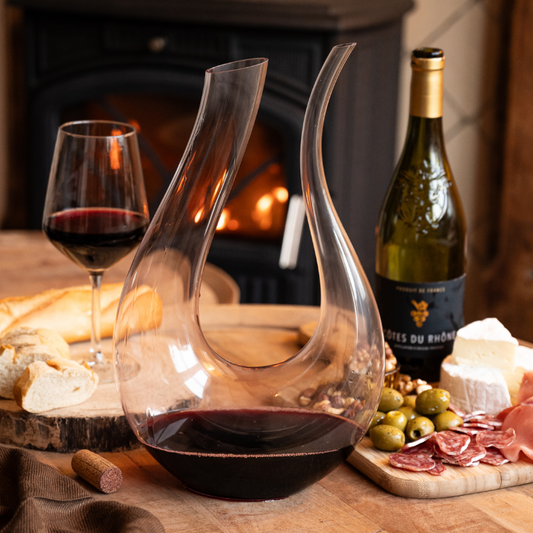
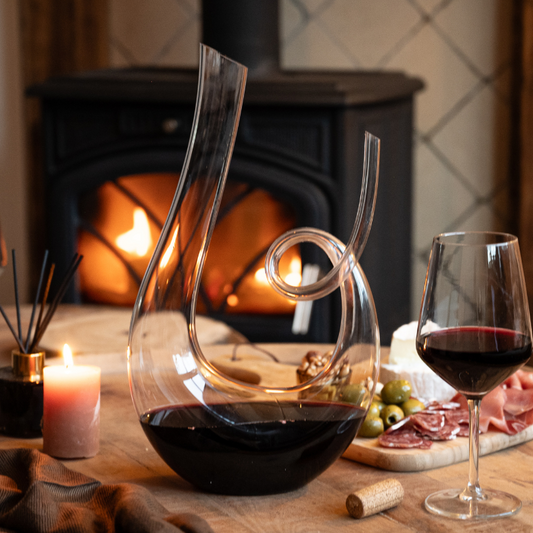
The shape of the carafe influences how quickly the wine aerates. A wide base increases the contact surface, while a slimmer neck can guide the pour and provide more control when dispensing. The pouring spout also plays a role: a carefully shaped rim helps to pour evenly and reduce the risk of dripping. With a wine decanter, this detail is especially noticeable when serving at the table and you want to maintain pace and precision.

Material and finish: glass, hand-blown variants, and maintenance

Most decanters are made of clear glass, so you can properly assess the color and clarity of the wine. Some models are hand-blown; small variations in thickness and shape may occur, which is characteristic of artisanal production. When using, ensure stable placement and sufficient space for pouring without tipping.

For cleaning, it is important to rinse the carafe immediately after use with lukewarm water to prevent wine residues from drying. Depending on the shape, a brush or cleaning beads can help. Then let the carafe drain and dry thoroughly to minimize water spots. In the accessories assortment, you will find tools that simplify the maintenance of glassware.

Combining with other glassware and wine accessories

A decanter performs best when you match the serving to the type of wine and the glass. With appropriate wine glasses, aromas can concentrate better, and the experience remains balanced from carafe to glass. A good opener also contributes to calmness during pouring, especially when a bottle has been stored for a long time; within the wine openers collection, you will find various options for daily use and careful opening.

Calm selection aid for your moment

Which decanter is most suitable primarily depends on how you want the wine to develop and how you prefer to pour. A wide model supports quick aeration, while a more streamlined shape can be pleasant for controlled pouring. Mémoire selects decanters with attention to functionality and a refined finish, so you can present and serve wine in a calm manner, with the matching glassware.

Frequently asked questions about decanters

What is the difference between a wine carafe and a decanter?

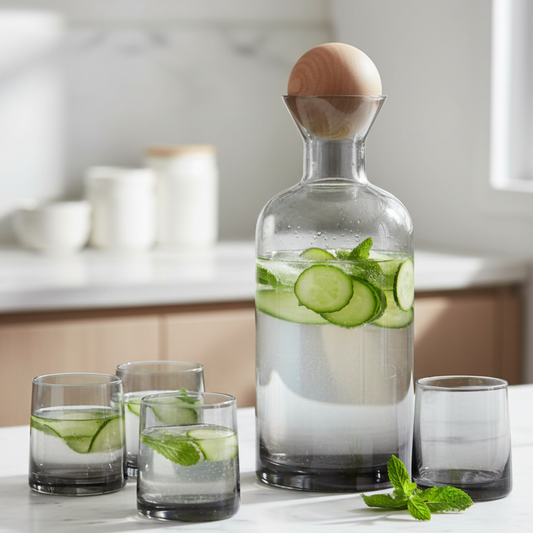
A wine carafe is suitable for general pouring and aerating. A decanter is specifically designed for two purposes: maximum aeration through a larger contact surface with oxygen, and separating sediment in older wines. Mémoire offers both options, depending on your wine style and moment of use.

Which wines benefit from decanting?

Young, powerful red wines benefit most from aeration, as aromas can open up better, and the taste feels softer. However, some white wines can also benefit from a brief aeration. For older wines with sediment, decanting helps to pour clearly, leaving the sediment in the bottle.

How does the shape of a decanter affect the result?

A wide base increases the contact surface with oxygen and supports quick aeration. A slimmer neck offers more control when pouring. A carefully shaped pouring spout reduces dripping and helps you pour evenly, especially when serving at the table.

Are hand-blown carafes different in use?

Hand-blown carafes may have slight variations in thickness and shape, which is characteristic of artisanal production. In use, you will hardly notice this, but pay attention to stable placement and sufficient space for pouring without tipping.

How do I clean a decanter?

Rinse the carafe immediately after use with lukewarm water to prevent wine residues from drying. Depending on the shape, you can use a brush or cleaning beads. Then let the carafe drain and dry thoroughly to minimize water spots.